

Hey there! I'm a supplier of vertical multistage pumps, and I know how important it is to make these pumps as energy - efficient as possible. In today's blog, I'll share some tips on how to achieve that.
1. Regular Maintenance
First off, regular maintenance is key. Just like a car needs its oil changed and its tires rotated, a vertical multistage pump needs proper upkeep. When the pump isn't maintained, it can start to lose efficiency. For example, if the impellers get dirty or worn out, they won't be able to move water as effectively. This means the pump has to work harder, using more energy.
To keep the pump in good shape, you should check the impellers regularly. Look for signs of wear and tear, like cracks or chips. If you find any issues, replace the impellers right away. Also, clean the pump's intake and discharge ports. Debris can build up in these areas, blocking the flow of water and making the pump work harder.
Another important part of maintenance is checking the seals. Leaky seals can cause water to escape, which means the pump has to keep working to maintain the right pressure. So, make sure the seals are in good condition and replace them if necessary.
2. Right Sizing
Sizing the pump correctly is crucial for energy efficiency. If you choose a pump that's too big for the job, it will use more energy than it needs to. On the other hand, if the pump is too small, it won't be able to meet the demand, and it will have to work overtime, also using more energy.
When selecting a pump, you need to consider factors like the flow rate and the head pressure. The flow rate is how much water the pump needs to move, and the head pressure is the force required to move the water to the desired height. You can use a pump sizing calculator to get an accurate estimate of what you need.
For instance, if you're using the pump for a small - scale water circulation system in a residential building, you don't need a huge, high - capacity pump. A smaller pump that's properly sized for the job will use less energy and still get the job done.
3. Variable Frequency Drives (VFDs)
Variable Frequency Drives are a great way to make your vertical multistage pump more energy - efficient. A VFD allows you to control the speed of the pump motor. Instead of running the pump at a constant speed all the time, you can adjust the speed based on the actual demand.
Let's say you have a water supply system where the demand for water varies throughout the day. During peak hours, you need the pump to work at full capacity. But during off - peak hours, you can reduce the speed of the pump. This way, you're only using as much energy as you need.
Installing a VFD might seem like an extra cost at first, but in the long run, it can save you a lot of money on energy bills. It also helps to extend the lifespan of the pump, as it reduces wear and tear on the motor.
4. System Optimization
The overall system in which the pump operates also plays a big role in energy efficiency. You need to look at the pipes, valves, and other components in the system. For example, if the pipes are too small, they can cause a lot of resistance, making the pump work harder. So, make sure the pipes are the right size for the flow rate.
Valves can also affect the pump's efficiency. If a valve is partially closed, it can create a bottleneck in the system. Make sure all the valves are fully open when the pump is running, unless there's a specific reason to close them.
You can also consider adding a bypass valve. A bypass valve allows some of the water to flow back to the pump's inlet when the demand is low. This helps to prevent the pump from running dry and reduces energy consumption.
5. High - Efficiency Pump Models
As a supplier, I can tell you that choosing a high - efficiency pump model from the start can make a big difference. Our Vertical Inline Water Pump High Pressure Water Circulation Pump is designed with energy efficiency in mind. It has advanced impeller designs and motor technologies that help it use less energy while still providing high - pressure water circulation.
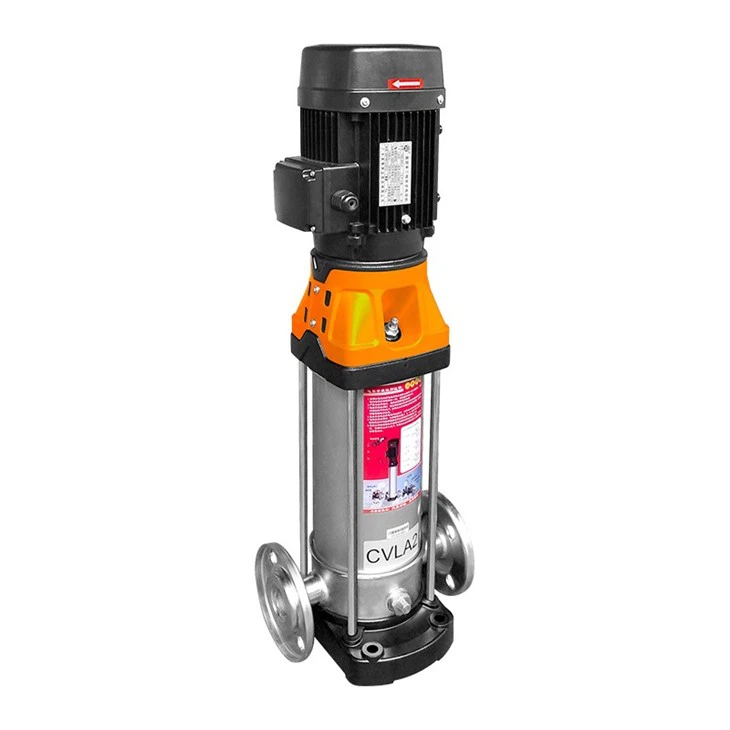
Another great option is our CVLA Series Light Vertical Multistage Centrifugal Pump. This pump is made with high - quality materials and has a compact design. It's perfect for applications where space is limited, and it's also very energy - efficient.
And if you're looking for a stainless - steel option, our CVLA Series Stainless Steel Vertical Multistage Water Pump is a great choice. Stainless steel is durable and resistant to corrosion, and the pump is designed to operate efficiently over a long period.

Conclusion
Making a vertical multistage pump more energy - efficient isn't rocket science. By following these tips, you can reduce your energy consumption and save money in the long run. Regular maintenance, right sizing, using VFDs, system optimization, and choosing high - efficiency pump models are all important steps.
If you're interested in learning more about our vertical multistage pumps or want to discuss how to make your pump system more energy - efficient, feel free to reach out. We're here to help you find the best solutions for your needs.
References
- "Pump Handbook" by Igor J. Karassik et al.
- "Energy - Efficient Pumping Systems" by the Hydraulic Institute.