


In HVAC and mechanical environments, moisture management affects equipment reliability, safety, and long-term energy efficiency. Air conditioners, condensing boilers, gas furnaces, dehumidifiers, and commercial ice machines all produce condensation as part of their thermal or refrigeration cycles. When gravity drainage is not feasible, a condensate pump becomes the engineered solution to lift and discharge water safely. Without proper condensate removal, equipment.
Why Condensate Forms in Modern Equipment?
Moisture naturally appears when warm air meets a cold surface. Examples include:
• Evaporator coils inside AC systems
• Heat exchangers in condensing furnaces
• Cooling plates in ice machines
• Internal chambers of commercial dehumidifiers
Since many installations occur in basements, attics, interior spaces, or areas far from a drain, a condensate pump ensures moisture is transported away efficiently.
What a Condensate Pump Does

A condensate pump automatically collects and discharges water to a designated drain point. It detects rising water through a float or electronic sensor and activates only when needed. The pump prevents overflow, protects electrical components, and maintains uninterrupted system operation.
Core functions:
• Capture condensation
• Activate pumping cycle at set water level
• Push water through a discharge tube
• Prevent return flow using a check valve
• Provide safety shutoff if drainage fails
Internal Operation Explained
A typical condensate pump follows this logic:
1. Water enters the reservoir.
2. Float or sensor detects the fill level.
3. Pump motor activates when the threshold is reached.
4. Water is discharged through the outlet tubing.
5. Internal systems prevent backflow and reset for the next cycle.
Advanced models may include alarm relays, digital level sensing, thermal protection, and acid-resistant materials for harsh applications.
Categories of Condensate Pumps
- HVAC Condensate Pumps
Used for central AC, fan coils, and ductless systems. These pumps must run quietly and fit compact installation spaces.
- Boiler & Furnace Condensate Pumps
Designed for high-temperature, acidic condensate. These pumps include reinforced housings and durable motors to handle continuous operation.
- Pumps for Fuel-Gas Condensing Furnaces
Condensing furnaces reclaim heat from exhaust gases, producing hot acidic water. Specialized pumps ensure safe removal and prevent damage to the furnace's heat exchanger.
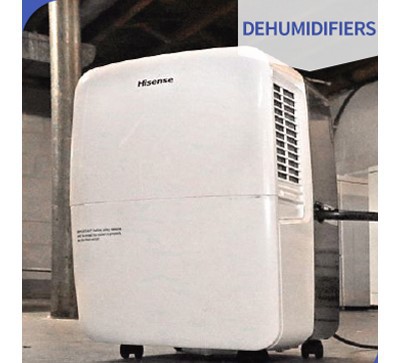
- Dehumidifier Condensate Pumps
Continuous-duty pumps eliminate manual tank emptying and support long-hour industrial operation.
- Ice Machine Condensate Pumps
Commercial ice machines melt ice during harvest cycles. Pumps for these units must ensure sanitation and fast removal of cold condensate.



Selection Factors for Engineers & Technicians
When choosing a condensate pump, evaluate:
• Required lift height and discharge distance
• Water temperature and acidity
• Noise considerations for indoor units
• Compatibility with HVAC or furnace configurations
• Overflow protection and alarm integration
• Serviceability and long-term durability
A well-chosen pump prevents costly service calls and ensures reliable system performance.
FAQ
Q1: When is a condensate pump necessary?
A: When natural gravity drainage is not possible or equipment is installed below or far from a drain point.
Q2: Can one pump handle all types of condensate?
A: No. High-temperature or acidic condensate requires a pump specifically engineered for boiler and furnace applications.
Q3: Why does a pump fail prematurely?
A: Blocked drain lines, poor installation, or acidic water entering a non-rated pump can reduce service life.
Q4: How often should a condensate pump be serviced?
A: Cleaning and inspection every 6–12 months improves reliability.
Q5: Are condensate pumps loud?
A: Modern pumps are designed for quiet operation and minimal vibration, especially those used in residential HVAC systems.
Conclusion & Buyer Guidance
A condensate pump is a critical safeguard in HVAC, heating, and refrigeration systems. By automatically removing moisture, it prevents system downtime, protects equipment components, and enhances operational efficiency. Whether used in an air conditioner, a condensing furnace, a boiler, a dehumidifier, or a commercial ice machine, the right condensate pump ensures stable, long-term performance.
Recommended pump types based on application:
• Air conditioning equipment → Compact HVAC pumps
• Condensing furnaces and boilers → High-temperature, acid-resistant pumps
• Industrial or continuous-duty environments → Large-capacity pumps
• Ice machines → Refrigeration-specific drain pumps